New arrival: composite flame detectors
2021.06.11 page view:169The explosion-proof red ultraviolet composite flame detector (hereinafter referred to as detector) developed by ALstAD is an intelligent flame detection equipment, using advanced multi-band composite detection technology, the highest configuration can choose four-band flame sensor products, one channel uses the ultraviolet flame sensor of the solar blind band, and the other three bands use different narrow-band infrared sensors. It can reduce the detector false alarm to a great extent and enhance the stability of the product.
Detection principle
The flame detector is to detect when the substance burns, produce smoke and emit heat at the same time, but also produce visible or invisible light radiation that is not in the atmosphere. It is used to respond to the light characteristics of the fire, that is, to detect the light intensity of the flame burning and the flicker frequency of the flame, so it is also known as a light-sensitive fire detector.
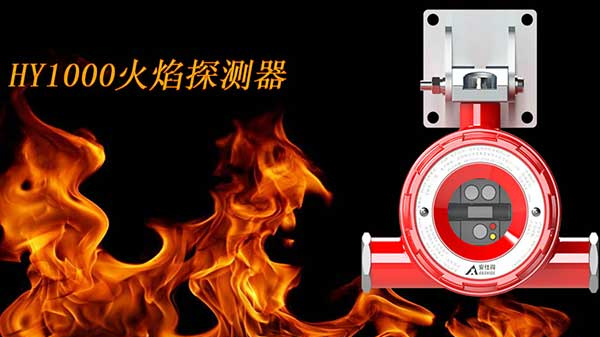
Technical features:
1. Composite red ultraviolet flame detection equipment can collect radiation information of light sources in different bands.
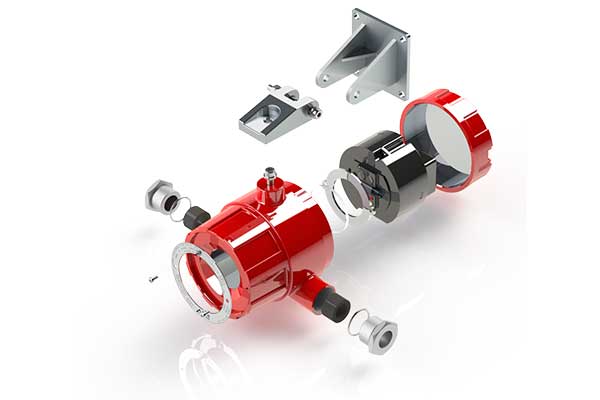
2. aluminum alloy shell, thickened explosion-proof filter glass panel, suitable for long-term stable work in various industrial environments.
3. the special filter glass panel for filtering, can filter the interference of stray light.
4. flame detection distance of more than 50m; Infrared detection Angle 90°, UV 120°.
Application field
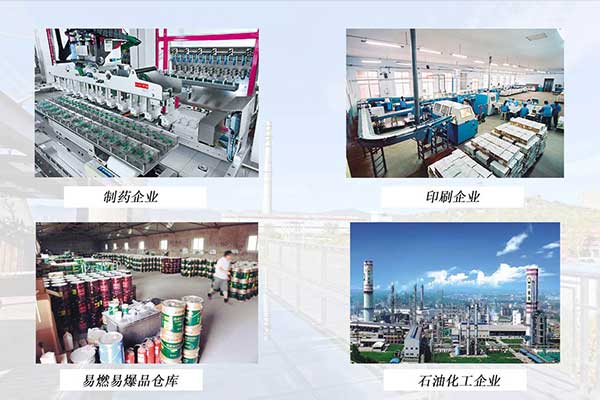
The detector is widely used in smokeless liquid and gas fires, hangars, aircraft repair sites, pipe gallery tunnels, ammunition and flammable and explosive warehouses, paint factories, petrochemical enterprises, pharmaceutical enterprises, power stations, printing enterprises, flammable material warehouses and other occasions where combustible materials contain carbon. At the same time, it can play an important role in large Spaces, high canopy buildings, gymnasiums, theaters, cinemas, platforms, basements and places for the storage of important items and cultural property buildings, computer rooms, archives, museums, cultural heritage and other places.