Chemical plant explosions happen frequently, how to save the workers in danger
2021.07.12 page view:289Summer is hot, high temperature, in the chemical production area, flammable, explosive, volatile raw materials more. For example: ethanol, dichloroethane and other low boiling point, are volatile substances. In the hot summer, volatilization is faster, and it is easy to reach its ignition point and explosion limit in places with relatively high concentrations.
First, the explosion of chemical plants
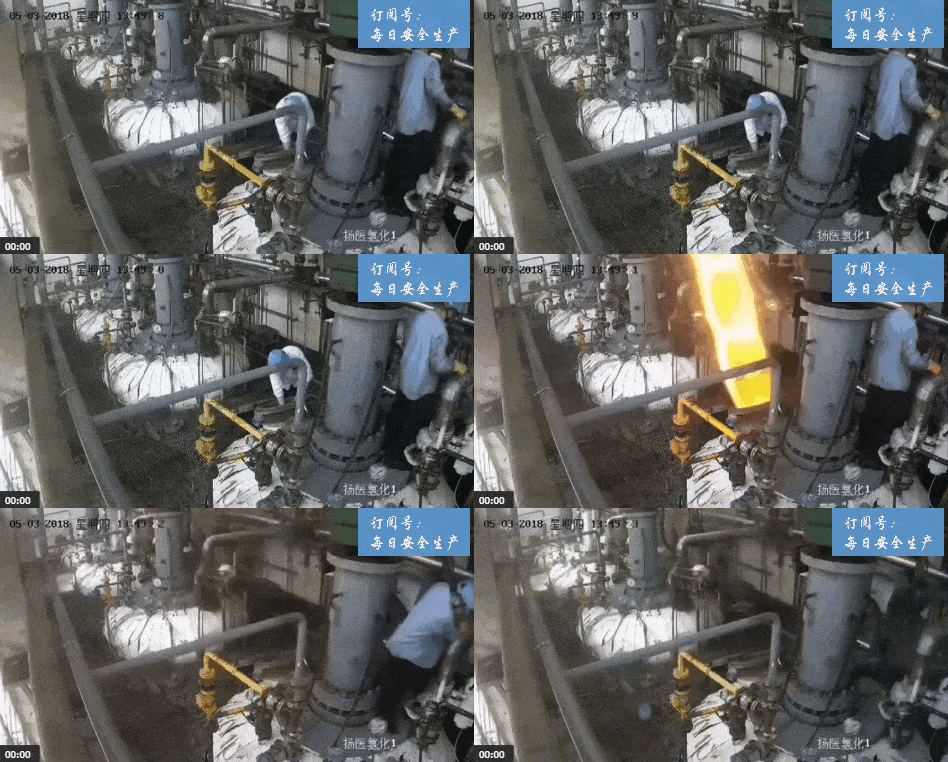
1. At 14:38 on July 4, 2021, Guangdong Yike Chemical Co., LTD., located in Qingyuan Overseas Chinese Industrial Park, Donghua Town, Yingde City, Qingyuan, exploded a reactor, resulting in one death and four injuries, and serious damage to the site buildings and equipment. According to the preliminary analysis, the chemical explosion occurred in the etherification reactor, and the possibility of physical explosion occurred due to the overpressure in the reactor cannot be ruled out.
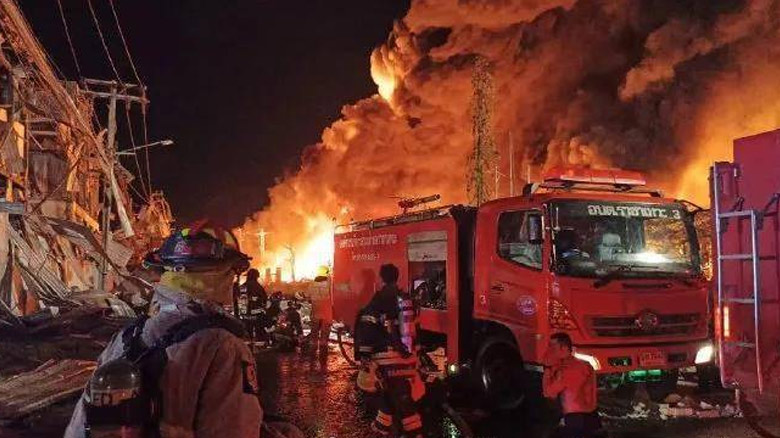
2. At 2:50 on July 5, an explosion occurred at a chemical plant in Northern Thailand, which has so far killed a firefighter and injured more than 20 people. The chemical plant has six warehouses, including one that holds 50 tons of chemicals, more than 20 tons of which have been detonated. The shock wave from the explosion destroyed the entire plant and damaged more than 10 factories within 500 meters. At about 17:00 on July 6, a fire broke out again at the site of a chemical plant explosion accident in North Phang Province, Thailand, which was under control of the fire, and billowing black smoke once again enveloped the ruins of the chemical plant, and was spread to neighboring areas with wind.
Two, what is the reaction kettle
The broad understanding of the reactor is that there is a physical or chemical reaction container, through the structural design and parameter configuration of the container, to achieve the process requirements of heating, evaporation, cooling and low high-speed mixing functions. Chemical industry widely used reactor, due to the corrosive medium, reaction conditions hot and cold, transportation, use, artificial and other problems, there will be an explosion.
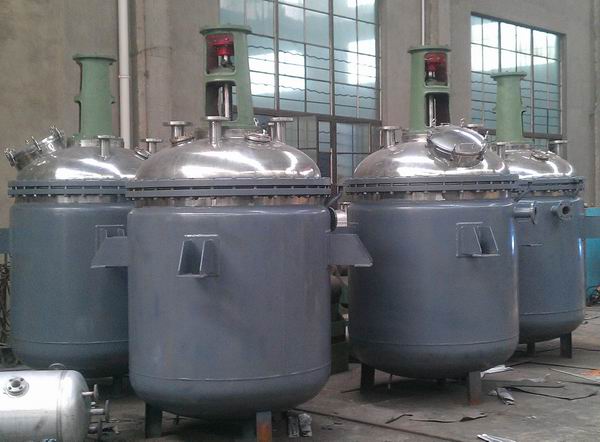
Third, the cause of the explosion of the reactor
1. Most of the materials in the reactor belong to dangerous chemicals. If the material is a substance with a low spontaneous combustion point and flash point, once it is leaked, it will form an explosive mixture with the air, and encounter the ignition source (open flame, spark, static electricity, etc.), which may cause fire and explosion.
2. The unreasonable design of the reactor equipment, the discontinuous shape of the equipment structure, the improper arrangement of welds and other reasons are easy to lead to the explosion of the container during use.
(3) Water vapor or water leakage into the reaction vessel accident: if the heating water vapor, heat conduction oil, or cooling water leakage into the reaction kettle, distillation kettle, may react with the material in the kettle, decomposition and heat release, resulting in a sharp rise in temperature pressure, material rushed out, a fire accident.
4. Improper operation of materials in and out of containers causes accidents: Many class A flammable liquids with low flash point enter the reactor from the pipeline through the liquid pump or vacuum method, most of these materials are insulating substances, poor electrical conductivity, if the material flow rate is too fast, it will cause the accumulated static electricity can not be removed in time, resulting in combustion and explosion accidents.
Fourth, how to prevent the occurrence of such incidents
(1) Careful operation: When material conveying valves and pipelines are disassembled or connected, be sure to pay attention to the switching of the valves to prevent material leakage outside or partial pressure resulting in spray resulting in leakage accidents.
(2) Some glass mirrors, vent valves (ports), level gauges and switching valves must have protective measures to prevent collision, misopening or damage caused by leakage accidents.
(3) The liquid level of each storage tank is strictly controlled below the standard (warning) line, and strictly stored beyond the line to prevent overflow. At the same time, it is necessary to regularly check and verify the accuracy of the tank level gauge, so as to avoid the occurrence of false liquid level or caused by false spills.
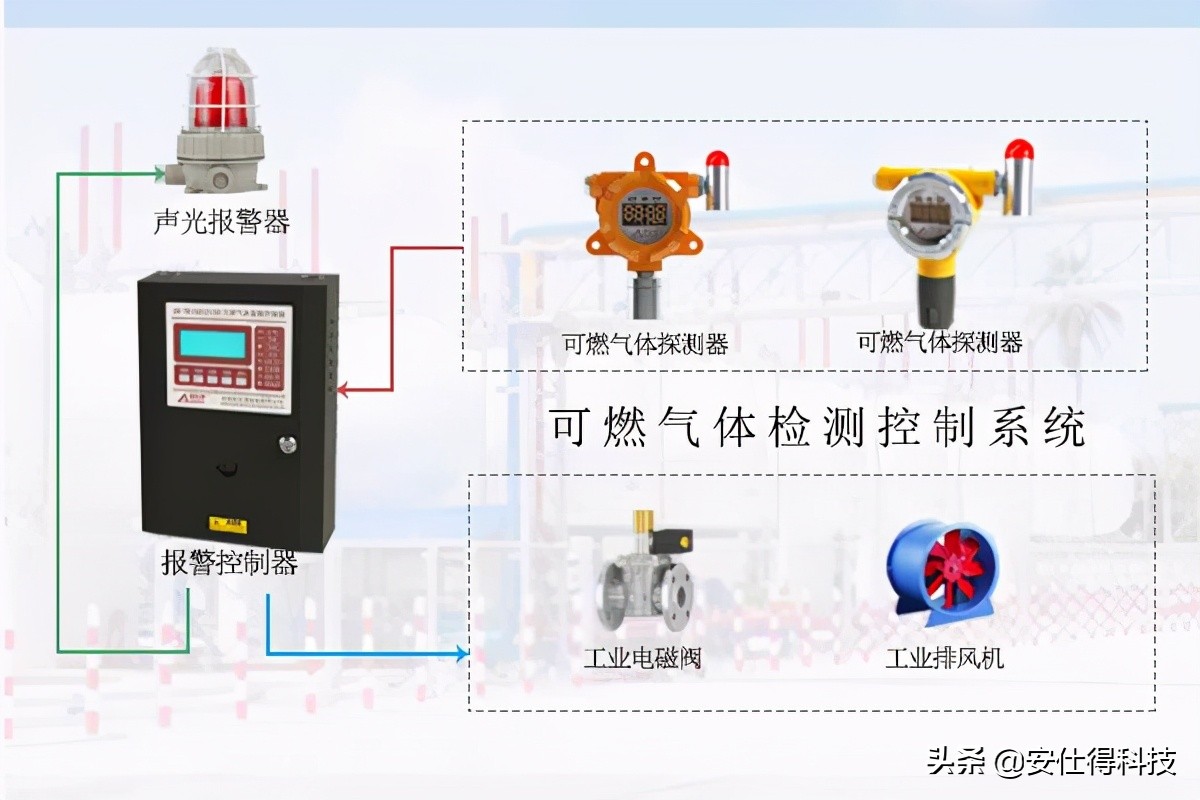
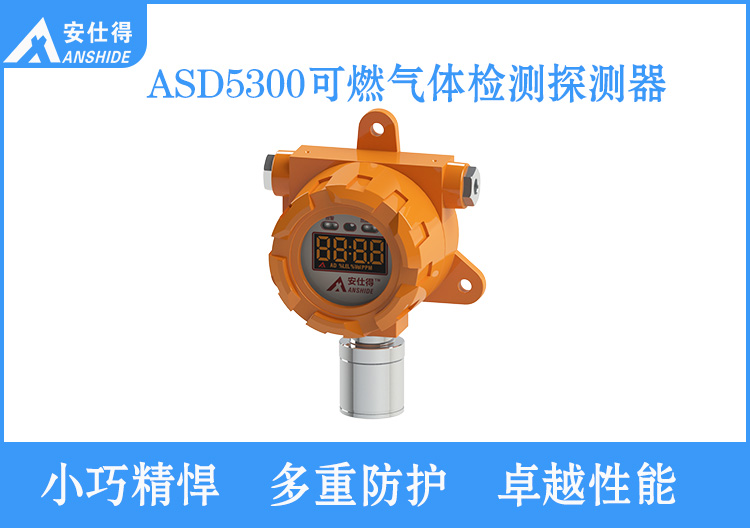
(4) For gas leakage events, it is imperative to install combustible gas detection devices, which can prevent the occurrence of tragedies, and gas detection devices can virtually protect the safety of industrial fields.