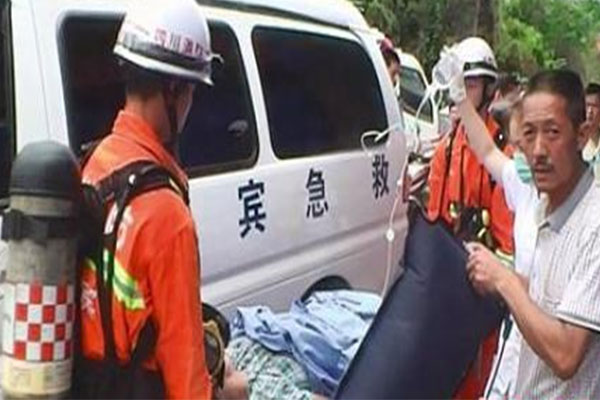
During the fermentation process of sour bamboo shoots, poisonous and harmful gases were produced. Hydrogen sulfide gas poisoning in Furong bamboo shoots food factory in Changning has killed 7 people
2021.06.18 page view:212At 14:57 on May 24, 2021, the Furong bamboo shoot food factory in Changning County, Yibin, Sichuan Province, was suspected of harmful gas poisoning during the maintenance of facilities. According to doctors involved in the treatment, as of 10 a.m. on the 25th, the death toll rose to seven, and one person is in stable condition. The clinical manifestations of the deceased were considered hydrogen sulfide poisoning.
Speaking of the popular world river snail noodles believe that many people are not unfamiliar. No matter what city you go to, it's easy to find a snail noodle shop. As long as you smell a smell that touches the soul, there must be a Luosifen shop within a radius of dozens of meters. So why does river snail noodle smell so addictive?

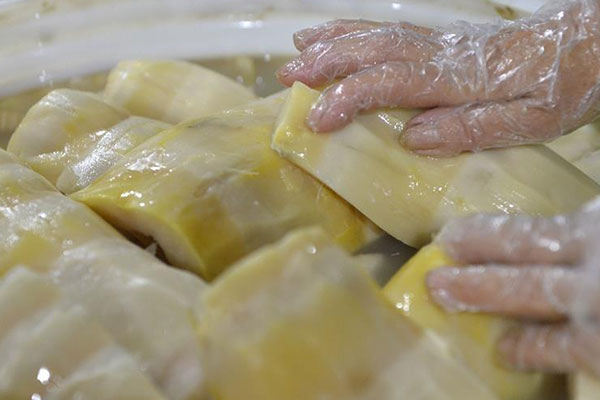
The stink of river snails doesn't come from river snails. The stench comes from an ingredient called Liuzhou sour bamboo shoots. Fresh bamboo shoots are put into a large tile tank in cold boiled water with salt. The fermentation process will produce some flavorful amino acids, which will also be converted into other metabolites. One metabolite of cysteine is hydrogen sulfide; Another "tryptophan" metabolite is called "skatine". After a month of fermentation, the dreaded Liuzhou sour bamboo shoots are ready.
So what is the substance "hydrogen sulfide" that caused the poisoning
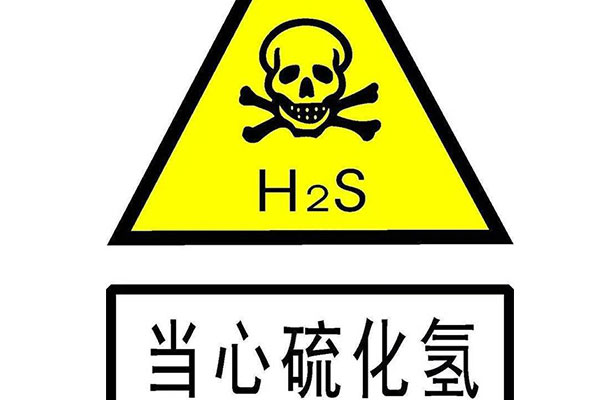
Hydrogen sulfide is an inorganic compound with the formula H2S, which is a flammable acid gas under standard conditions. Colorless, at low concentrations there is rotten egg smell, at very low concentrations there is sulfur smell, there is a highly toxic.
Manifestations of hydrogen sulfide poisoning
Hydrogen sulfide poisoning is a kind of central nervous system and respiratory system damage caused by inhaling large amounts of hydrogen sulfide gas in a short period of time. With less exposure, irritating eye pain, photophobic tears, respiratory tract burns in the throat, cough, phlegm, or neurological symptoms such as headache, dizziness, nausea, and vomiting may occur. In more severe cases, there will be disturbance of consciousness, coma, or pulmonary edema, sudden death after exposure to high concentrations for a short time, or damage to multiple organs such as liver and kidney function.
Emergency treatment of hydrogen sulfide poisoning
In the event of hydrogen sulfide poisoning accident, those involved in on-site rescue must carry out rescue under the condition of good safety protection. Should wear isolation clothing, wear anti-virus equipment, do not blindly rescue, beware of their own poisoning. The patient should be quickly lifted away from the scene of poisoning to a place with fresh air and good ventilation. Unbuckle clothes and pants, inhale oxygen, use glucocorticoids early, use detoxification drugs appropriately, and actively deal with the rescuers. For those who have stopped breathing, artificial respiration should be performed in time, and tracheal intubation and mechanical ventilation should be performed in time if conditions exist.
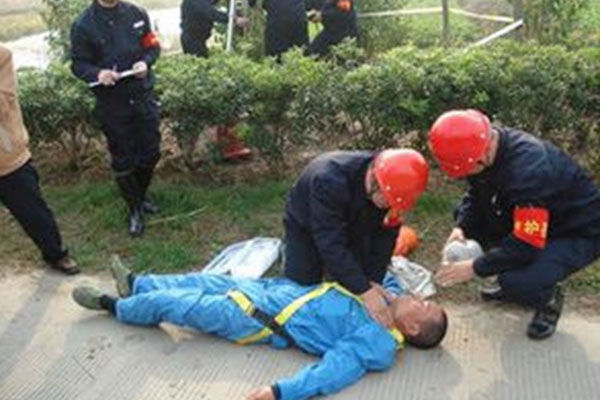
Some industries prone to hydrogen sulfide poisoning
(1) Chemical industry
Production of sulfur-containing compounds such as parathion, ethiophosphorus, dimethoate, sulfanilamide, etc. Hydrogen sulfide can be produced in petrochemical industry, coal chemical industry, natural gas chemical industry and rubber vulcanization process.
(2) Oil exploitation
In the process of drilling and exploitation of oil, due to the impurity sulfur in oil, a large amount of hydrogen sulfide often occurs.
(3) Leather, monosodium glutamate
When tanning leather, sodium sulfide is used to remove hair, and sodium sulfide is used to remove iron in the production of monosodium glutamate, hydrogen sulfide can be produced.
(4) Paper, sugar, food processing industry
In some production processes using animals and plants as raw materials, hydrogen sulfide can be produced due to the fermentation of organic matter.
(5) Mining and smelting industry
All kinds of ores contain impurity sulfur, and a large amount of hydrogen sulfide can be produced in the process of mining and smelting. Some metals are purified with hydrogen sulfide to produce insoluble sulfides, and hydrogen sulfide is also produced.
(6) Fishing industry
The fish in the fish tank can produce hydrogen sulfide after corruption, and it is easy to cause poisoning when the ventilation is poor.
(7) Sewage pipes, underground operations
Cleaning pickling tanks, sewers, sewage ditches, septic tanks, and garbage dumps can often be exposed to high concentrations of hydrogen sulfide.
(8) Chemical cleaning operations
Use sulphur-containing cleaning agents during cleaning operations. Devices, containers, pipelines, heat exchangers, etc., whose materials and structures contain sulfur and sulfur compounds, will produce hydrogen sulfide gas under certain conditions.
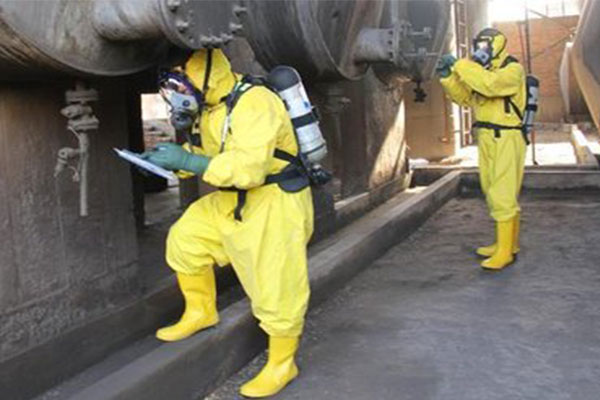
Measures to prevent hydrogen sulfide poisoning
(1) Conduct technical training on hydrogen sulfide protection for employees. To understand the physical and chemical properties of hydrogen sulfide, poisoning mechanism, main harm, protection and field first aid methods. Improve employees' awareness and protection of the hazards of hydrogen sulfide overflow;
(2) Set up anti-hydrogen sulfide poisoning warnings, signs and wind vane in places where hydrogen sulfide may be produced, and operators should work at the position of the upper tuyere as far as possible;
(3) Each employee working in a place where hydrogen sulfide may be produced should be equipped with a positive pressure air breathing apparatus, and ensure effective use;
(4) When working in places where hydrogen sulfide is likely to be produced, there should be human supervision. In case of acute hydrogen sulfide poisoning, immediate rescue;
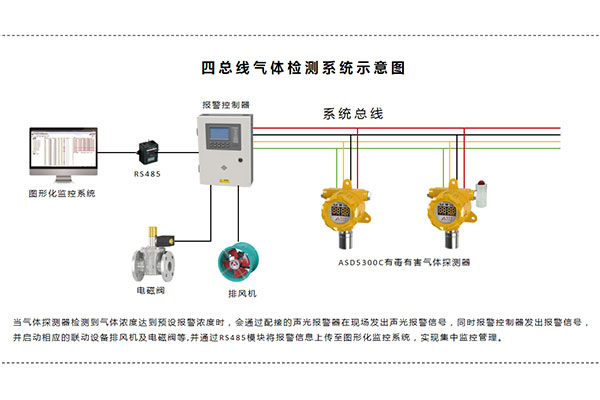
(5) There are several hydrogen sulfide gas leakage accidents in China almost every year, and serious poisoning incidents often cause serious harm to many unfortunate families, and also cause serious negative impacts on society. For the prediction and pre-control of major disasters, the key lies in the monitoring system. When the toxic gas reaches the corresponding concentration, the toxic and harmful gas detection detector will be fed back to the monitoring room in time, so that the monitoring personnel can take timely measures to stifle the accident in the cradle.